
Unlocking the Benefits of Bulb Replacement for Home Lighting: A Comprehensive Guide
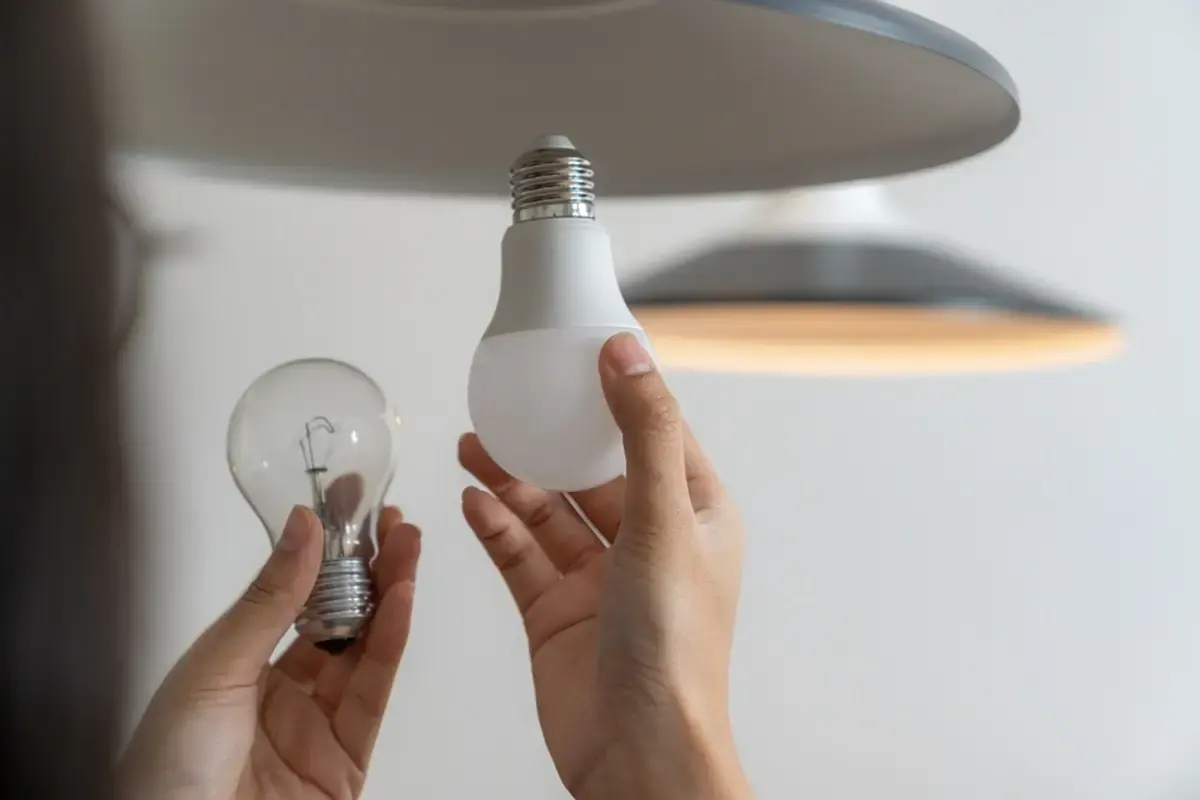
Most of us replace a bulb only when it burns out, one at a time, with whatever is in the closet. Over the years that habit leaves a home with a patchwork of mismatched colors, dim corners and old, inefficient bulbs hiding in fixtures nobody can reach. Taking a more deliberate approach to bulb replacement is one of the simplest ways to change how your home looks and feels. Here is what you gain and how to go about it.
Benefit 1: Lower Energy Use and Fewer Changes
If your home still has incandescent or halogen bulbs, switching to quality LEDs uses far less electricity for the same light and produces much less heat. LEDs also last many times longer, which matters most in fixtures that are a hassle to reach: foyer pendants, cathedral ceiling cans and exterior floods. When an old bulb fails, it is a good moment to upgrade the rest of the fixture too. Fewer burnouts means fewer trips up a ladder.
Benefit 2: Better Light Where You Live
Light quality affects mood and usefulness. Choosing the right color temperature for each room makes a noticeable difference:
- Living rooms and bedrooms: warm white feels relaxed and cozy.
- Kitchens and bathrooms: a slightly cooler, brighter white helps with tasks.
- Home offices: neutral white reduces eye strain on long workdays.
- Exteriors: warm white flatters brick, wood and stone and is gentler on neighbors.
Look for bulbs with a high color rendering index so skin tones, food and paint colors look natural rather than washed out.
Benefit 3: A Safer Home
Dim stairwells, burned-out entry lights and dark garage approaches are common sources of falls, especially during New England winters when it is dark before dinner. Motion-activated entry lights and bright bulbs in basement stairways are two easy wins. Restoring full brightness to stairs, hallways and exterior doors is a meaningful safety upgrade, particularly for older family members or visitors unfamiliar with your home.
Benefit 4: A Consistent, Finished Look
Few things make a room look unfinished faster than a fixture with one warm bulb and two cool ones. Replacing all the bulbs in a fixture, or even a whole room, at the same time gives an even, intentional look. This approach, sometimes called group relamping, also means the bulbs age together and you will not be chasing individual failures every few weeks. Keep a couple of spares from each batch labeled in a drawer so future matches are easy.
Planning Your Replacement
Start by walking your home with a notepad. Record each fixture, its bulb type and base, and whether it is on a dimmer. Note fixtures that are hard to reach. Then buy matching bulbs in batches. Always switch off the fixture, let bulbs cool before handling, and use a stable ladder. Fixtures over stairwells or two-story spaces are best left to professionals with proper equipment.
Busy Bee handles bulb replacement for homeowners throughout central Massachusetts, including tall entryway fixtures, exterior floods and decorative pieces. If you have a chandelier that needs both cleaning and new bulbs, our chandelier service covers both in a single visit. Schedule your free estimate and see the difference better bulbs make.
Let Busy Bee handle it
Skip the ladder. Get a free, no-obligation estimate from our fully insured team.
Get My Free EstimateHigh demand · limited spots
Free Estimate
Please call — our volume is high and spots are limited. A quick call is the fastest way to lock in your free estimate.
Call (508) 499-9193Free Estimate
We usually reply within one business day. Prefer to talk? Call (508) 499-9193.
More tips & news
- Essential Chandelier Bulb Replacement Tips for a Sparkling Shine
- Illuminate Your Investment: The Essential Guide to Professional Exterior Lamp Cleaning
- Changing Bulbs in Outdoor Fixtures: A Fixture-by-Fixture Field Guide
- Essential Guide: How to Replace Bulbs in Outdoor Fixtures
- Essential Exterior Lamp Cleaning Tips for a Flawless Shine
- Chandelier Cleaning in Boylston, MA: What a Professional Visit Looks Like
- All tips & news →