
Essential Exterior Lamp Cleaning Tips for a Flawless Shine
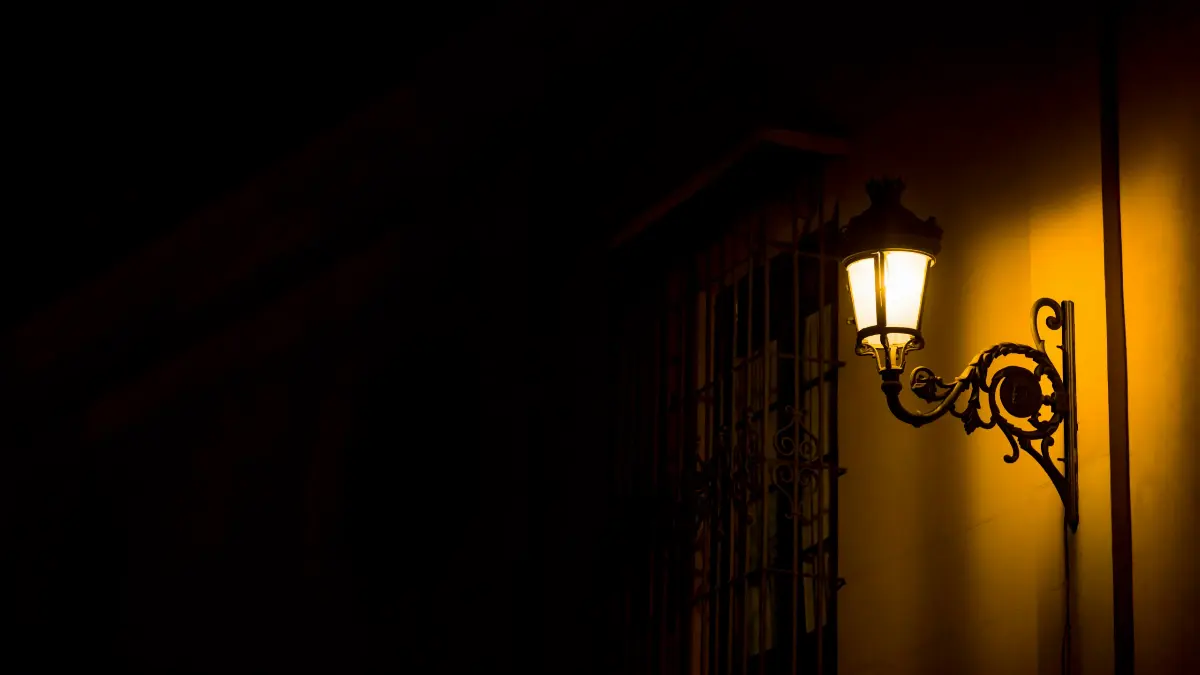
The secret to a flawless shine on outdoor lamps is matching the cleaning method to the material. A cleaner that makes glass sparkle can cloud a plastic lens, and a scrub that freshens painted aluminum can strip the patina off a copper lantern. Before you start, take a close look at each fixture and identify what it is made of. Then use the tips below.
Before Any Cleaning: Safety First
Turn off the switch or breaker that controls the fixture and wait until the bulb is cool to the touch. Set your ladder on firm, level ground and keep three points of contact while you work. Lay a towel on the ground below to catch any glass panels or screws. If a fixture is mounted high on a gable, above a stairwell or on a tall post, it is safer to have a professional handle it.
Cleaning Each Material
Clear and seeded glass
Glass is the most forgiving. Mix a little dish soap in warm water, wash both sides of each pane with a soft sponge, rinse and dry with microfiber. Seeded glass, with its tiny bubbles, hides dirt in its texture, so a soft toothbrush helps. If panes are removable, washing them at a sink is easier than working overhead.
Polycarbonate and acrylic lenses
Plastic lenses scratch easily and can craze if exposed to harsh chemicals. Skip ammonia, alcohol and abrasive pads. Use only mild soapy water and a soft cloth, and blot dry. If the plastic has turned yellow or cloudy, cleaning will not restore it, and replacement is the real fix.
Brass and copper
Many homeowners love the aged look these metals develop. To preserve it, wipe with a damp cloth and mild soap only. If you prefer a bright finish, use a cleaner made for the specific metal and test it on a hidden spot first. Lacquered brass should never be polished with abrasives, which will remove the protective coating.
Powder-coated and painted metal
Most modern black and bronze fixtures are powder-coated aluminum. Warm soapy water and a soft brush lift dirt from crevices. Avoid solvents and wire brushes, which can scratch the coating and invite corrosion.
Frosted and textured glass
Frosting traps grime. Use a soft brush with soapy water, rinse well and let the panel air dry. Avoid oily products that leave blotchy patches. Fixtures near the street often hold a gray film from traffic that needs two gentle washes rather than one hard scrub.
Finishing Touches
- Clear spiders, webs and insects from inside the housing.
- Wipe the bulb itself once it is cool.
- Check that gaskets and screws are seated before closing.
- Restore power and look at the fixture after dark.
When to Call a Pro
If you have many fixtures, tall lamp posts or lights mounted above the first floor, professional service saves time and risk. Busy Bee offers exterior lamp cleaning for homes and businesses across central and eastern Massachusetts, and we can swap out tired bulbs through our bulb replacement service while we are there. We are fully insured, and each visit ends with a walk-through of the finished work. Book a free estimate and enjoy a flawless shine without the ladder.
Let Busy Bee handle it
Skip the ladder. Get a free, no-obligation estimate from our fully insured team.
Get My Free EstimateHigh demand · limited spots
Free Estimate
Please call — our volume is high and spots are limited. A quick call is the fastest way to lock in your free estimate.
Call (508) 499-9193Free Estimate
We usually reply within one business day. Prefer to talk? Call (508) 499-9193.
More tips & news
- Changing Bulbs in Outdoor Fixtures: A Fixture-by-Fixture Field Guide
- Unlocking the Benefits of Bulb Replacement for Home Lighting: A Comprehensive Guide
- Essential Guide: How to Replace Bulbs in Outdoor Fixtures
- Chandelier Cleaning in Boylston, MA: What a Professional Visit Looks Like
- After the Install: A Property Manager's Guide to Commercial Exterior Lighting
- Exterior Lighting Problems in Massachusetts: Symptoms, Causes and Fixes
- All tips & news →