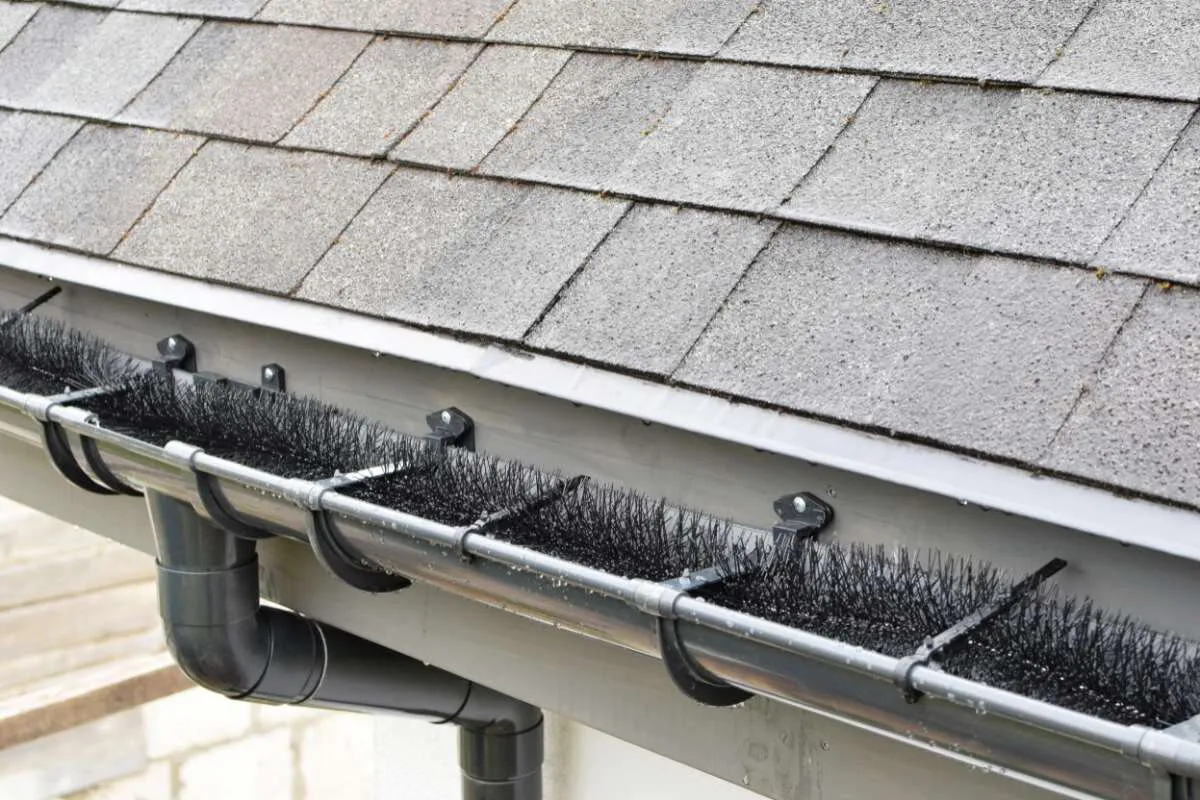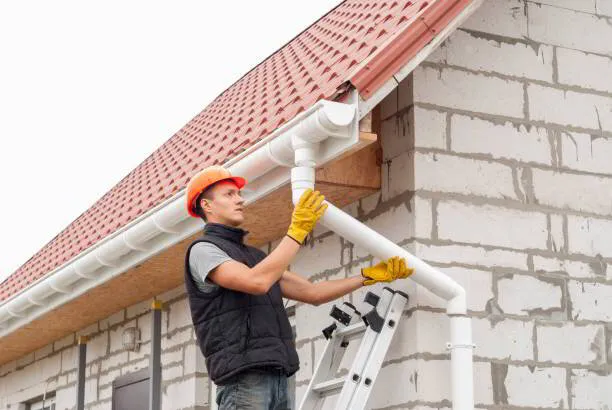
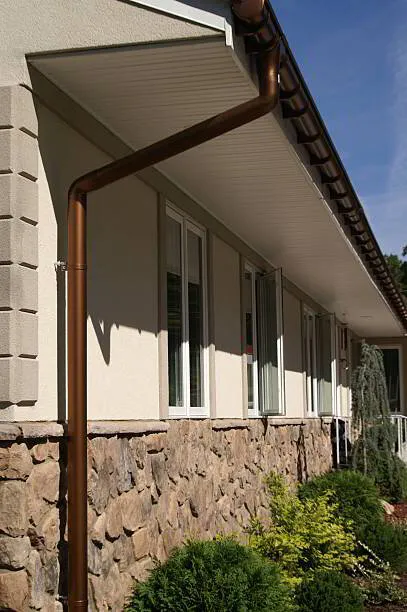
Rainwater Diversion

Expert Rainwater Diversion Services in Worcester County, MA

Getting water off the roof is only half the job. We make sure it lands far from your foundation.

Rainwater Diversion in Massachusetts

A single inch of rain on an average roof sends well over a thousand gallons of water to your downspouts. If that water exits right next to the house, it soaks the soil against your foundation — the leading cause of wet basements, cracked walkways and washed-out garden beds.

Diversion solutions we install

  • Downspout extensions sized to carry water away from the foundation
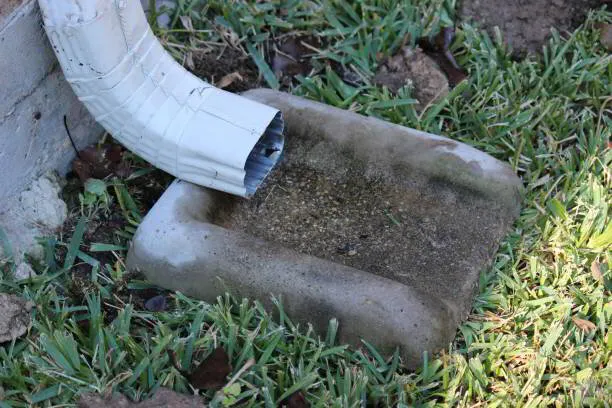
  • Splash blocks to spread and slow discharge
  • Flip-up and roll-out extensions for walkways and mowing areas
  • Re-routed downspouts to send water to better drainage points
  • Rain barrel connections for homeowners who want to reuse water

Part of a complete gutter system

Diversion works best on a clean, properly pitched system. We often combine it with gutter cleaning and downspout repairs so water flows from roof edge to safe ground without a single weak link.
How it works — step by step

  1. 1

    Walk the property

    We watch where water exits and how the ground slopes.

  2. 2

    Recommend

    You get a simple plan and price for each downspout.

  3. 3

    Install

    Extensions and splash blocks are fitted and secured.

  4. 4

    Verify

    We run water to confirm it drains away from the house.

Rainwater Diversion FAQs

How far should downspouts discharge from the house?

A common guideline is several feet from the foundation, more where the ground slopes toward the house. We'll recommend the right length for your yard.

Can extensions get in the way of mowing?

We offer flip-up and roll-out options that tuck away when not needed.
Explore related services

Gutter Cleaning

Gutter Cleaning

Clogged gutters send water where it doesn't belong. We clean them out by hand, flush every downspout and haul the mess away.

Gutter Guards

Gutter Guards

Stop climbing ladders every fall. Our guards keep leaves out and let water flow — installed by the same crew that cleans your gutters.

Gutter & Downspout Repairs

Gutter & Downspout Repairs

Hanging gutters, detached downspouts and leaky seams — we fix the small problems before they turn into big ones.

Rainwater diversion facts

  • One inch of rain falling on 1,000 square feet of roof produces roughly 620 gallons of water.
  • Building codes commonly call for the ground to slope away from the foundation, often about 6 inches of fall over the first 10 feet.
  • A downspout that empties at the base of a wall concentrates a whole section of roof runoff onto one spot of the foundation.
  • Water discharged across a walkway or driveway in winter can freeze into a slippery patch.
  • Busy Bee installs downspout extensions, splash blocks, flip-up and roll-out extensions, and rain barrel connections.

How do the main diversion options compare?

OptionBest forThings to know
Splash blockSpots where the ground already slopes awaySlows and spreads water, but does not carry it far.
Fixed downspout extensionMoving water past a flat or low areaCan be in the way of mowing or foot traffic.
Flip-up extensionDownspouts beside lawns or garden edgesLifts out of the way when you mow, then folds back down.
Roll-out extensionLight flows near walkwaysUnrolls when water flows and coils back when dry.
Rain barrel connectionSaving water for gardensNeeds an overflow path for heavy storms and should be drained before freezing weather.
Re-routed downspoutOutlets that drop water in the wrong placeSends water toward a better drainage point on the property.

What are the signs your downspouts need better diversion?

  • Damp patches, musty smells or efflorescence on basement walls near a downspout.
  • Soil or mulch washed out of beds below the outlet.
  • Puddles that stand by the foundation a day after rain.
  • Ice sheets forming on paths or driveways where a downspout discharges.
  • Erosion channels or bare ground running from the downspout toward the house.
  • Water in window wells after storms.

Why do diversion and gutter maintenance go together?

An extension can only move the water that actually reaches it. If gutters are full of leaves, rain spills over the front edge and lands along the whole wall, so the downspout and its extension carry very little. Seams that leak or gutters that have lost their pitch cause the same problem in smaller spots. That is why we look at the whole path from roof edge to ground before recommending diversion. A downspout flush and clear-out restores flow through a blocked outlet, and leaf guards for the gutter channel can reduce how often debris interrupts that flow in the first place.

Questions about diverting roof water

Will downspout extensions stop my basement from leaking?
They help when the water comes from roof runoff collecting near the foundation, which is a common cause. Leaks caused by groundwater, cracks or poor grading may need help from a waterproofing or drainage contractor.
Should downspout extensions be removed in winter?
Not usually, but they should be kept clear of snow and ice so water has a path. Rain barrels are the exception and should be drained and disconnected before freezing weather.
Can rainwater be sent to a neighbor's yard?
It is best not to direct runoff onto a neighboring property. We aim discharge toward suitable spots on your own lot.
How do I know which way my yard drains?
Watch during a steady rain, or look for where puddles and washed-out soil appear afterward. We check slope and discharge points during the property walk.

Ready for sparkling windows & worry-free gutters?

Free estimates, no contracts and a fully insured crew. Call us and let the Busy Bee crew do the dirty work.Let the Busy Bee crew do the dirty work.