
The Ultimate Guide to Professional Window Cleaning Equipment
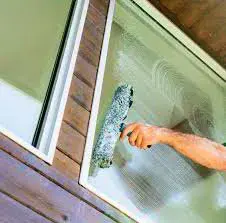
Watch a skilled window cleaner work and it looks effortless: a few passes with a scrubber, one fluid sweep of the squeegee and the pane is done. A big part of that speed and quality comes from equipment designed for the job. This guide walks through the main categories of professional gear, explains what each tool does and notes which ones a homeowner might reasonably borrow ideas from.
Hand Tools: The Traditional Kit
Squeegees
A professional squeegee has three parts: a handle, a channel and a rubber blade. Channels come in many widths so the cleaner can match the size of the pane. The rubber is the most important part. Soft rubber works better in cold weather, harder rubber in heat, and blades are replaced often because any nick leaves a line.
Strip washers
Also called scrubbers or applicators, these are T-bars wrapped in an absorbent sleeve. They hold solution and loosen dirt before the squeegee removes it. Some sleeves include a light abrasive pad for bugs and bird droppings.
Scrapers and detail tools
Professionals carry glass scrapers for paint specks and stickers, but they use them carefully and only where appropriate. Tempered glass can scratch when debris gets trapped under a blade, so experience matters here. Microfiber cloths and detailing towels finish edges and corners.
Water-Fed Pole Systems
The biggest change in the industry over recent decades is the water-fed pole. It has three key components:
- A purification system, typically using filters and deionizing resin, that strips minerals from tap water
- A lightweight telescoping pole, often carbon fiber, with a hose running through it
- A soft brush head with small jets that rinse the glass as it scrubs
Because purified water contains almost nothing dissolved, it dries without spots, so no squeegee is needed. Technicians can clean second- and third-story glass while standing safely on the ground. It is especially effective on frames and sills, which get rinsed at the same time.
Access Equipment
Not every pane can be reached from the ground. Professionals use sturdy extension and step ladders with stabilizers and levelers to protect gutters and handle uneven terrain. For taller commercial buildings and atriums, aerial lifts provide a stable platform at height. Choosing the right access method for each window is as much a safety decision as a quality one, and it is one reason insurance is so important in this trade. Busy Bee is fully insured for all of it.
Specialty Products
Some problems need targeted solutions. Mineral deposits from sprinklers and well water call for specialized cleaners and polishing methods, the basis of our hard water stain removal service. New construction brings stucco splatter, caulk and paint, which require careful removal during post-construction window cleaning. Screens get their own brushes, rinse setups and repair supplies such as spline rollers and mesh.
What This Means for Your Home
For homeowners, the takeaway is not to buy a truckload of gear. A good squeegee, fresh rubber and a quality microfiber cloth will handle easy interior panes. The tools that make the biggest difference, purified water systems and safe access equipment, are the ones that are hardest to justify for occasional use. That is where residential window cleaning from a professional comes in. Request a free estimate through our appointment page, where standard visits can be booked online; for homes with storm or grid windows, call (508) 499-9193.
Let Busy Bee handle it
Skip the ladder. Get a free, no-obligation estimate from our fully insured team.
Get My Free Estimate