
The Ultimate Guide to Commercial Exterior Lamp Cleaning: Brighten Your Property
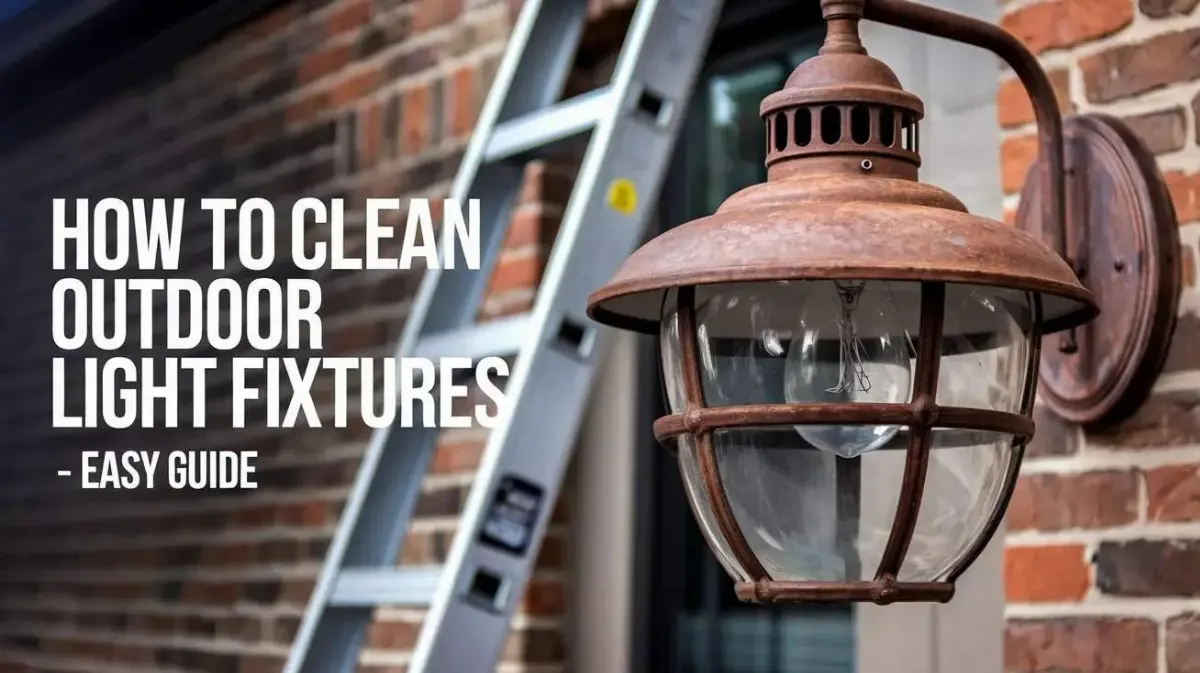
On a commercial property, exterior lighting is working for you every night: guiding customers into the lot, helping tenants feel safe walking to their cars, and keeping your sign visible from the road. When fixtures get dirty, light output drops quietly, and the site starts to feel dimmer and less welcoming long before any bulb fails. This guide is written for property managers, facility directors and business owners responsible for keeping that lighting at its best.
Know the Fixtures on Your Site
Most commercial properties have a mix of fixture types, and each collects grime differently:
Wall packs
Mounted on building walls above doors and loading docks, these gather dust, cobwebs and insects in their lower lenses. Those over dumpster areas and loading bays also pick up grease and exhaust.
Pole-mounted area lights
Parking lot heads sit high and collect pollen, bird droppings and leaf debris on top, while the lens beneath fills with dead insects.
Canopy and soffit lights
Found over entrances, drive-throughs and fuel islands, these face exhaust film and, in Massachusetts, a winter coating of salt mist kicked up by vehicles.
Sign and accent lights
Ground-mounted floods aimed at signs or facades get splashed with mud and mulch and can be buried by snow banks.
How Often to Clean
Frequency depends on location and exposure. As a starting point, many commercial sites benefit from a full exterior lighting cleaning at least once a year, ideally in the fall before the longest nights. Sites near busy roads, restaurants with exhaust, or properties surrounded by trees may need a second visit in spring. Walk the property at night every few months and note any fixture that looks noticeably dimmer or murkier than its neighbors. That walk will tell you more than any fixed schedule.
Plan Around Access and Operations
Commercial fixtures usually require a lift. A few planning steps make service go smoothly:
- Schedule work when the parking lot is least busy, such as early morning.
- Notify tenants so vehicles near light poles can be moved.
- Identify any soft ground, curbs or islands that limit where a lift can travel.
- Combine lighting with window or gutter work that also needs a lift.
Our aerial lift services let one crew clean fixtures, change bulbs and handle upper-level windows or gutters in a single mobilization.
Clean and Relamp Together
Since a lift is already on site, it makes sense to inspect every fixture during cleaning and replace bulbs that have failed or are nearing the end of their life. Replacing bulbs in a zone together keeps light levels and color consistent across the property. Technicians should also report cracked lenses, water inside housings or damaged fixtures so your electrician can address them. Busy Bee cleans and relamps fixtures; any wiring repairs or new installations should go to a licensed electrician.
A Simple Program for Busy Managers
The easiest approach is to put lighting on the same calendar as your other exterior work. A commercial exterior maintenance contract lets you schedule windows, gutters and lighting together with one point of contact and predictable visits. Busy Bee serves commercial properties across Worcester, Middlesex, Norfolk and Suffolk County and is fully insured. Learn more about our exterior lamp cleaning service, then contact us for a free estimate for your site.
Let Busy Bee handle it
Skip the ladder. Get a free, no-obligation estimate from our fully insured team.
Get My Free EstimateHigh demand · limited spots
Free Estimate
Please call — our volume is high and spots are limited. A quick call is the fastest way to lock in your free estimate.
Call (508) 499-9193Free Estimate
We usually reply within one business day. Prefer to talk? Call (508) 499-9193.
More tips & news
- The Ultimate Guide to Choosing the Best Bulbs for Chandelier Lighting
- Essential DIY Exterior Lamp Cleaning Tips for Homeowners and Businesses
- Affordable Bulb Replacement Services in Boylston, MA: Your Comprehensive Guide
- Essential Chandelier Bulb Replacement Tips for a Sparkling Shine
- Illuminate Your Investment: The Essential Guide to Professional Exterior Lamp Cleaning
- Changing Bulbs in Outdoor Fixtures: A Fixture-by-Fixture Field Guide
- All tips & news →