The Ultimate Guide to Aerial Lift Window Cleaning Services
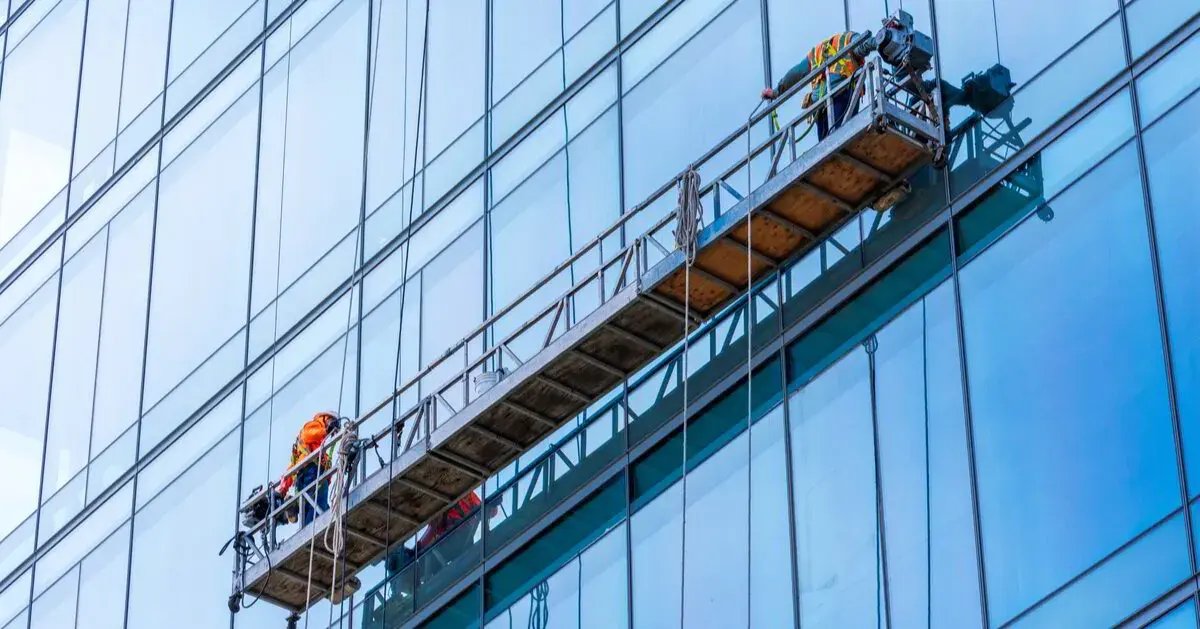
Most window cleaning happens from the ground with water-fed poles or from a ladder. But some buildings have glass that neither method can reach safely or effectively. That is where aerial lifts come in. If you manage a multi-story office, a church with tall windows, a warehouse with clerestory glass or a home with a soaring great room, this guide explains when a lift makes sense and what to expect.
When a Lift Is the Right Tool
Water-fed poles can clean surprisingly high, but they have limits. A lift becomes the better choice when:
- Windows are above the practical reach of poles.
- Glass needs hands-on detail work, such as removing stubborn residue or construction stickers.
- Landscaping, awnings or roof overhangs block a ground-based approach.
- Ladders would need to rest on unstable ground or against fragile surfaces.
- Windows are set back over a lower roof line or atrium.
A lift puts the technician directly at the glass on a stable, railed platform, so the work is both safer and more thorough.
Types of Lifts You Might See
Boom lifts
Articulating and telescopic boom lifts extend up and out, reaching over obstacles like hedges, steps and lower roofs. They are the most versatile for window work on irregular buildings.
Scissor lifts
These rise straight up and work well for long runs of glass along flat, accessible walls, such as warehouse or retail facades with a paved apron.
Compact towable and tracked lifts
Smaller units can fit through gates and travel across lawns with less impact, making them useful for residential properties and tight sites. The crew chooses the machine after looking at your heights, ground surfaces and how much room there is to maneuver.
Preparing Your Site
Good preparation saves time and protects your property. Ask the crew what they need, but expect requests like these: clear vehicles from the work area, mark any irrigation heads, septic covers or buried utilities near where the lift will travel, and let tenants or staff know about the schedule. For properties in Massachusetts, ground conditions matter; soft spring soil after snowmelt can limit where a heavy lift can go, so timing may shift to drier weeks. The crew will set up cones and a safe perimeter while working.
Get More From Every Lift Visit
Once a lift is on site, it can reach much more than windows. Many owners schedule several high-access tasks together:
Gutter cleaning on upper roof lines, exterior light fixture cleaning and bulb changes, and inspections of trim and caulking near the roof edge can all happen in the same visit. Combining services reduces disruption and makes the most of the equipment being there. It also means only one day of cones in your parking lot instead of three separate visits from different contractors.
Working With Busy Bee
Busy Bee operates aerial lifts alongside our water-fed pole systems, so we can match the method to each section of your building. We are fully insured and serve commercial and residential properties across Worcester, Middlesex, Norfolk and Suffolk County. Learn more about our aerial lift services and commercial window cleaning, then contact us for a free estimate on your high-access project.
Let Busy Bee handle it
Skip the ladder. Get a free, no-obligation estimate from our fully insured team.
Get My Free EstimateHigh demand · limited spots
Free Estimate
Please call — our volume is high and spots are limited. A quick call is the fastest way to lock in your free estimate.
Call (508) 499-9193Free Estimate
We usually reply within one business day. Prefer to talk? Call (508) 499-9193.
More tips & news
- The Complete Guide to Commercial Window Cleaning Pricing in Boylston, MA
- Seasonal Commercial Window Cleaning Tips: A Complete Guide for Property Managers
- Boosting Your Business Image: The Complete Guide to Commercial Window Cleaning in MA
- Unlocking the Benefits of Commercial Window Cleaning for Your Business
- Understanding the Cost of Commercial Window Cleaning Services in Boylston: A Comprehensive Guide
- The Ultimate Guide to Finding the Best Commercial Window Cleaning Services Near You
- All tips & news →